
Residential interior design is evolving, and so are the expectations homeowners have for their spaces.
Today’s homes are no longer designed to simply look beautiful. They are designed to be experienced. Homeowners want rooms that feel personal, layered, welcoming, and connected to the way they live every day.
From entryways and living rooms to bedrooms and dining spaces, designers are shifting toward immersive residential interiors that create a lasting impression. This approach brings together art, wallcoverings, texture, scale, and materiality to create homes that feel intentional from the moment someone walks in.
For residential designers, the opportunity is clear. Every wall, surface, and artwork selection can help shape how a home feels, functions, and tells its story.
Experience Is Driving Residential Interior Design
Designers are approaching residential interiors differently than they did even a few years ago.
Instead of focusing only on furniture, finishes, and color palettes, the conversation is shifting toward how a space feels. Homeowners want interiors that feel calm, comfortable, expressive, and reflective of their lifestyle.
This has led to a rise in immersive interior design for homes, where every element works together to create a cohesive experience. A living room is not just a place to gather. It becomes a mood. An entryway is not just a transition point. It becomes the first impression. A bedroom is not just a functional space. It becomes a retreat.
For designers, this means thinking beyond individual pieces and designing the full environment. Artwork, wallcoverings, lighting, furniture, and texture all work together to create a home that feels personal and complete.
Moving Beyond Minimalism in Modern Home Design
Minimalism has had a lasting influence on residential interior design, but it is evolving.
Clean lines and neutral palettes are still relevant, but they are now being paired with warmth, texture, and more expressive design details. Instead of overly sparse spaces, designers are creating homes that feel layered, collected, and lived in.
Warmer tones are replacing colder palettes. Natural materials are adding softness and depth. Statement artwork is creating stronger focal points. Textured wallcoverings are giving walls more movement and presence.
The result is a home that feels refined without feeling staged. It still feels clean and cohesive, but with more character, emotion, and individuality.
Texture and Dimensional Wallcoverings Are Taking Center Stage
Texture is becoming one of the most important tools in residential interior design trends.
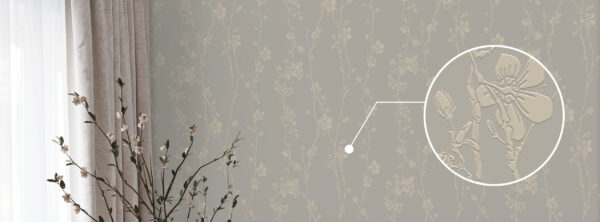
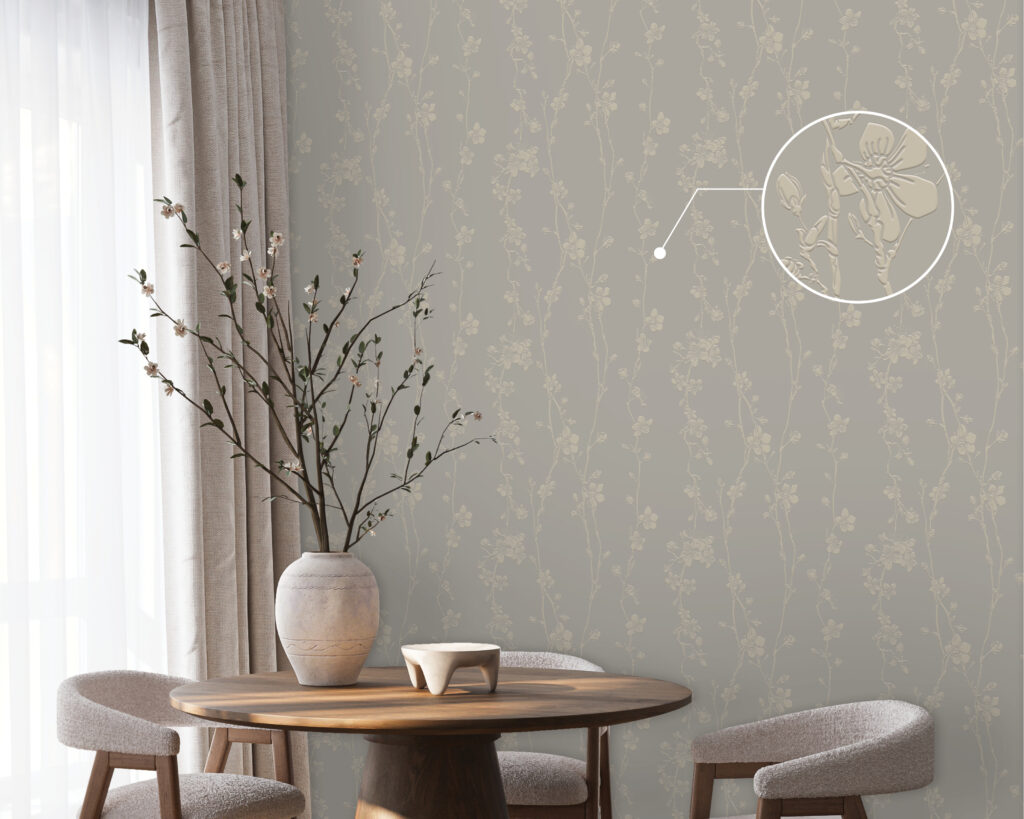
Flat walls and uniform finishes are being replaced with surfaces that introduce depth, movement, and subtle visual interest. Textured wallcoverings, layered finishes, and dimensional surfaces can bring warmth to a room without overwhelming the design.
Dimensional wallcoverings are especially effective in residential spaces because they allow designers to add texture in a refined, controlled way. They can create soft relief, respond beautifully to natural light, and bring a tactile quality to walls that would otherwise feel flat.
This works especially well in living rooms, bedrooms, entryways, dining rooms, and other spaces where designers want to create a stronger sense of atmosphere. Texture brings comfort into the home, and that comfort is something homeowners immediately connect with.
Large-Scale Wall Art Is Defining the Room
Scale is becoming a defining element in modern residential interiors.
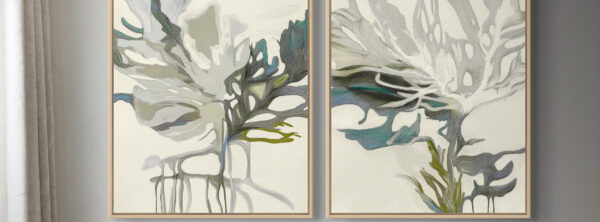
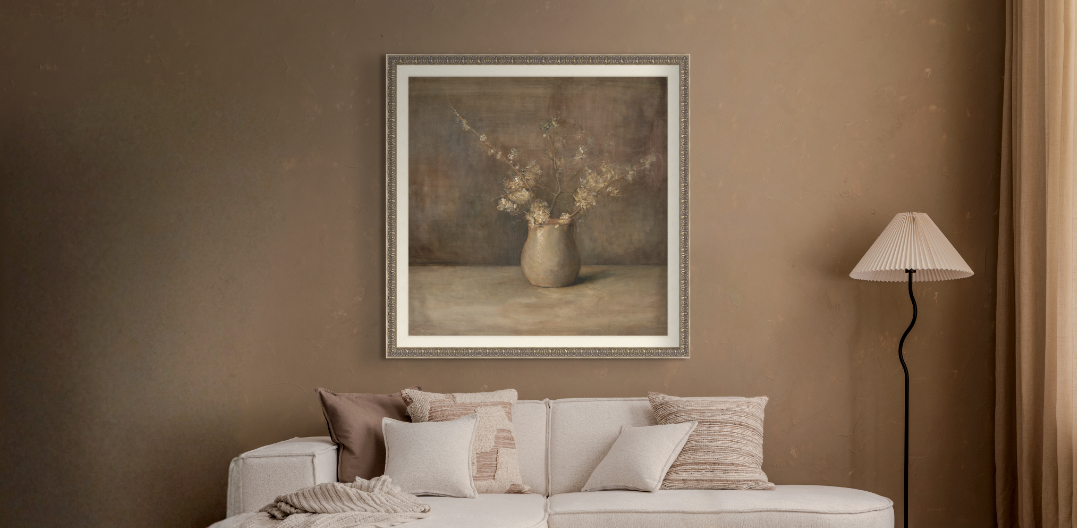
Designers are using large-scale wall art, statement artwork, and oversized pieces to anchor rooms and create clear focal points. Instead of filling a wall with several smaller pieces, one larger artwork can simplify the space and give the room stronger visual direction.
In open-concept living areas, large-scale artwork can help define zones and bring balance to expansive walls. In primary bedrooms, it can create a calming focal point above a bed or seating area. In entryways, it can establish the tone of the home the moment someone enters.
Large-scale wall art does more than decorate. It creates presence. It gives the room structure, mood, and a more intentional sense of completion.
Walls Are Becoming a Design Feature
Walls are no longer treated as background elements in residential design.
They are becoming one of the most important opportunities to add depth, personality, and structure to a home. Through custom wallcoverings, textured surfaces, large wall art, and layered finishes, designers are transforming walls into meaningful design features.
This shift is especially important in homes where clients want a more custom, elevated feeling without adding visual clutter. A textured wallcovering can bring quiet movement to a dining room. A large-scale artwork can create a memorable entry moment. A dimensional wall surface can add warmth and depth to a bedroom or living space.
When walls are treated with intention, they support the entire design story. They help make the home feel cohesive, personal, and complete.
Designing Homes for Comfort, Connection, and Memory
At the center of these residential design trends is a simple idea: people want homes that feel good to live in.
The most successful interiors are not just polished. They are comfortable, grounded, and personal. They reflect the homeowner’s lifestyle while still feeling artful and thoughtfully designed.
Artwork, texture, scale, and wallcoverings all play a role in achieving that balance. They influence how a room feels, how people move through it, and how the home is remembered.
At Leftbank Art, we work with designers to create handcrafted artwork, dimensional wallcoverings, and custom wallcovering solutions that help bring residential spaces to life. Each piece is crafted in our California studio with care, intention, and a deep respect for the way art can transform a home.
California Crafted.